


Sameer Gudhate Presents the Book Review of The Wisdom of Balance by Swapnil Kamat
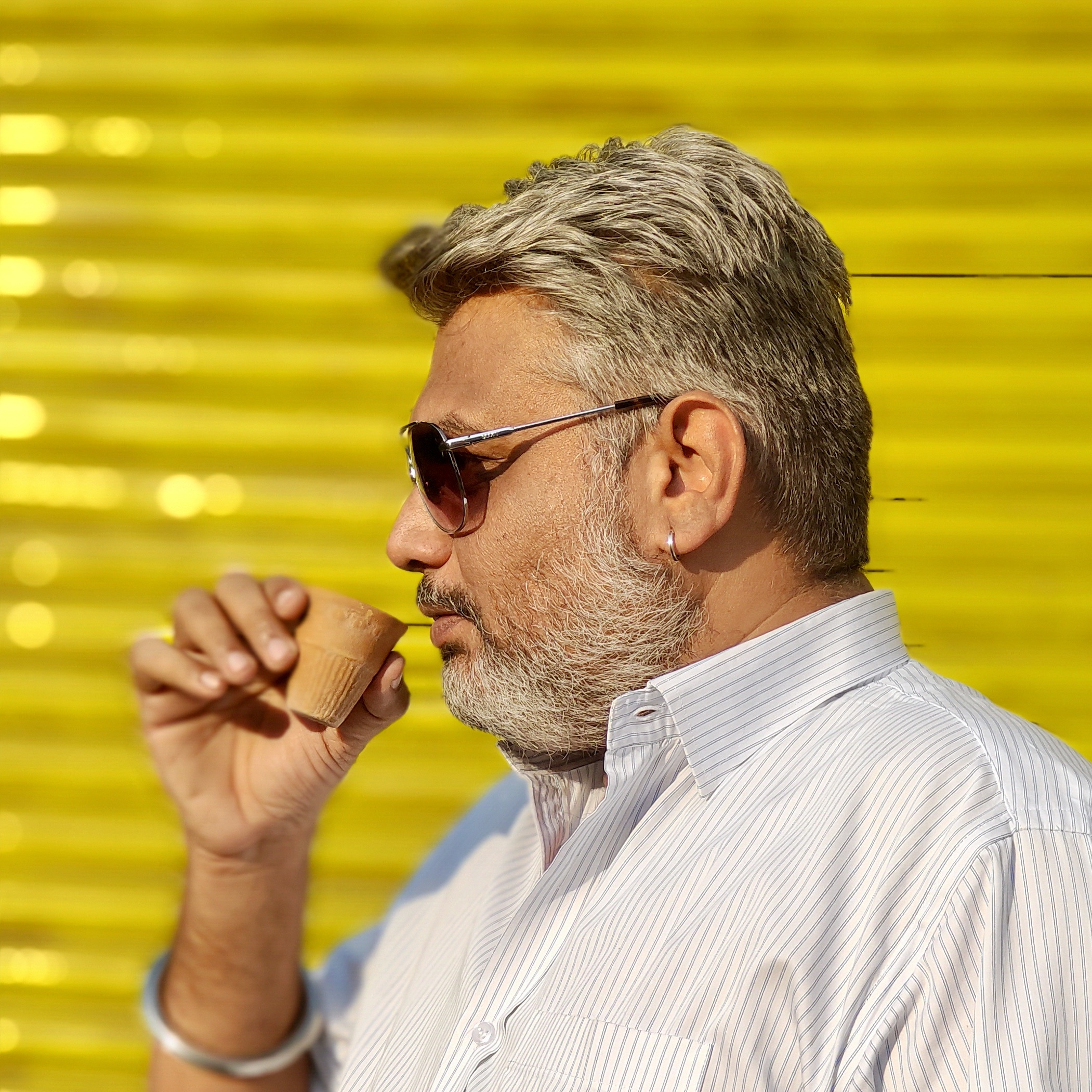

I read The Wisdom of Balance slowly, the way you sip something warm when you don’t want the cup to end too soon. Not because it demanded slowness, but because it invited it. This isn’t a book that shouts for your attention. It sits quietly across the table, waits for you to finish your thought, and then says something that lands a little deeper than you expected.
Swapnil Kamat’s premise is disarmingly simple: most of what matters in life exists between two truths. Work and rest. Ambition and peace. Control and surrender. We don’t usually suffer because we choose the “wrong” side once in a while; we suffer because we camp on one extreme and forget the other exists. It’s a familiar idea, yes—but here’s the thing: familiarity doesn’t make it less true. And this book doesn’t try to dress that truth in motivational fireworks. It offers it the way real wisdom usually arrives—calm, grounded, and slightly uncomfortable in its honesty.
The narrative structure is clean and unfussy. Fifty short reflections, each built around a pair of opposing forces, each chapter able to stand on its own. There’s no pressure to read in order, no rising arc demanding completion. You can open it on a random morning when you feel overstretched, or late at night when your mind won’t switch off, and still feel oriented. The pacing mirrors the theme itself—unhurried, proportionate, respectful of the reader’s energy. The prose is direct without being dry, reflective without drifting into abstraction. It doesn’t perform wisdom; it practices it.
What stayed with me most was the author’s definition of a “successful life.” Not one measured by titles or praise, but by how you feel inside on most days. Light. Steady. At ease more often than not. That line quietly rearranged my internal furniture. It reframed ambition not as something to discard, but something to hold carefully—like fire. Useful. Dangerous. Dependent on context. The book’s central theme isn’t transformation through drastic change; it’s transformation through recalibration. Small shifts. Conscious trade-offs. Pausing long enough to notice when intensity has tipped into imbalance.
There’s a memorable image that kept returning as I read: a building designed to sway during an earthquake. Not rigid. Not fragile. Flexible enough to absorb shock without collapsing. That’s what this book argues a good life should be—one that bends without breaking. The wisdom here lies in proportion, not perfection. Kamat dismantles the myth that balance means equal attention to everything at all times. Instead, he acknowledges seasons—periods of deliberate imbalance that are necessary for growth, followed by periods of recovery that are necessary for survival. The danger, he reminds us, isn’t imbalance itself, but staying there too long.
Emotionally, the impact is subtle but cumulative. I found myself pausing after chapters, not because I was overwhelmed, but because I felt seen. Seen in my overworking. Seen in my need for control. Seen in the way I postpone rest as if it’s a reward I haven’t yet earned. The book doesn’t scold these tendencies; it simply holds up a mirror and asks a gentler question: “Is this still serving you?” That question lingered far longer than any rule or framework would have.
One of the book’s strengths is its restraint. It refuses to become a productivity manual or a spiritual sermon. It trusts the reader. That trust is also where a minor hesitation may arise for some. If you’re looking for step-by-step systems or measurable outcomes, you won’t find them here. This is literary reflection, not a toolkit. Its value depends entirely on your willingness to introspect and act. But perhaps that’s precisely the point. Wisdom, after all, cannot be outsourced.
The Wisdom of Balance will resonate deeply with readers who feel stretched thin by modern life—professionals, creators, caregivers, anyone navigating multiple identities at once. It’s a book best read in quiet pockets of time, revisited rather than consumed. Its shelf life feels long because its questions are timeless. In a culture obsessed with extremes, this book gently argues for the middle path—not as compromise, but as clarity.
If you’re willing to pause before your next decision, to notice where you might be leaning too far, this book will meet you there. And maybe, just once, help you choose proportion over pressure. If it does that, it has already earned its place.
If balance has been on your mind lately, this might be the quiet conversation you didn’t know you needed.
#TheWisdomOfBalance #BookReview #ReflectiveReading #SlowLiving #ModernWisdom #NonFictionReads #InnerLife #ThoughtfulBooks #ReadingCommunity #LifeInProportion #sameergudhate #thebookreviewman



Comments