


Sameer Gudhate Rethinks Leadership: What If Delegation Is Holding You Back?

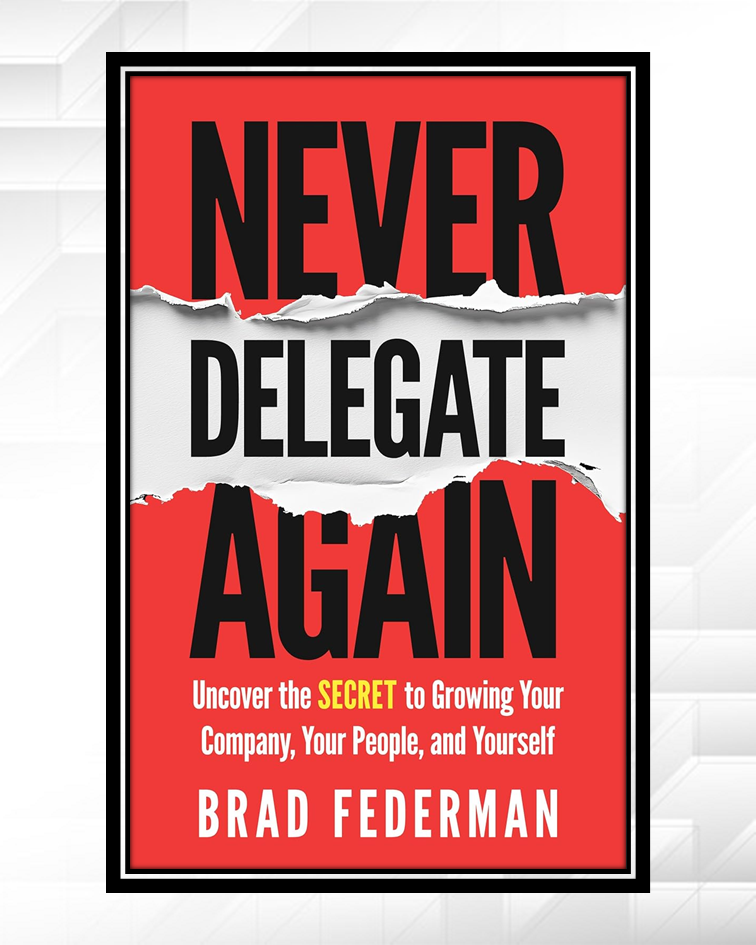
There’s a moment every working professional knows too well—the moment when your plate is overflowing, your inbox is a battlefield, and the easiest escape feels like handing something off to someone else. Relief, instant and tempting. I walked into Never Delegate Again expecting that familiar conversation around efficiency and smarter task management. What I didn’t expect was to feel quietly confronted.
Brad Federman doesn’t attack delegation outright. Instead, he holds up a mirror to the intention behind it. And that’s where the discomfort begins. Because somewhere between “I’m empowering my team” and “I just need this off my plate,” there’s a thin, often invisible line. This book lives exactly on that line—and asks you, without raising its voice, which side you’re really on.
What struck me early was how the narrative refuses to stay at the surface. The prose is clean, almost deceptively simple, but beneath it runs a deeper current of behavioral psychology. Federman understands that leadership isn’t just about systems—it’s about habits, insecurities, control, and sometimes, ego. The pacing reflects that awareness. It doesn’t rush you toward conclusions. It slows you down, almost deliberately, forcing reflection in between ideas.
There was a moment while reading where I paused—not because the concept was complex, but because it felt uncomfortably familiar. The idea that leaders often “help” too much. That we sometimes invest more energy in someone’s growth than they do themselves. That realization doesn’t land like a dramatic revelation. It lands quietly, like a truth you were avoiding naming.
The Growth Matrix framework is perhaps the most practical spine of the book. But what impressed me wasn’t just its functionality—it was its intent. It doesn’t exist to optimize output; it exists to reframe responsibility as an opportunity for development. That shift, subtle yet powerful, transforms the narrative from management advice into something closer to a philosophy. Leadership, here, is not about distributing work. It is about designing growth.
“If your delegation makes your life easier but leaves your people unchanged, you’ve only solved half the problem.”That’s the sentence that stayed with me long after I closed the book.
There’s a quiet strength in how the book handles its themes. Growth, ownership, trust—these are not presented as lofty ideals but as daily decisions. Small, often inconvenient choices. Letting someone struggle instead of stepping in. Allowing mistakes instead of chasing perfection. Trusting the process when speed feels more rewarding.
At the same time, the book doesn’t ignore the resistance leaders feel. In fact, that’s one of its strongest aspects. It acknowledges the “I can do it faster” instinct. The need for control. The fear that things might fall apart if you loosen your grip. These aren’t dismissed—they’re explored, understood, and gently challenged.
If there’s a limitation, it lies in the very strength of its philosophy. The approach demands patience—something modern workplaces rarely reward. In high-pressure environments, the idea of slowing down to build people instead of chasing immediate results can feel idealistic. There were moments I found myself wondering how easily these principles translate when deadlines are brutal and stakes are high. The book believes in long-term transformation, but not every reader may have the luxury to play the long game.
Yet, perhaps that’s exactly the point. Growth is rarely convenient.
What makes this book linger is not just its ideas, but its emotional impact. It subtly shifts how you look at everyday decisions. A simple assignment no longer feels transactional. It becomes a question: is this helping someone grow, or just helping me cope?
I would recommend this book to leaders who are willing to be a little uncomfortable. Not those looking for quick fixes, but those open to rethinking their role entirely. It’s also surprisingly valuable for individuals early in their careers—it quietly teaches what good leadership should feel like.
By the end, Never Delegate Again doesn’t give you a checklist. It gives you a lens. And once you see through it, it’s difficult to go back to the old way of working.
You don’t close this book feeling smarter. You close it feeling more responsible.
And maybe, just maybe, that’s where real leadership begins.
#LeadershipDevelopment #ManagementBooks #WorkplaceCulture #PersonalGrowth #BookReview #ProfessionalGrowth #LeadershipMindset #GrowthMindset #ReadingCommunity #SameerGudhate #thebookreviewman



Comments