


The Strength That Stays After the Fall: Sameer Gudhate Reviews When We Fell Upward
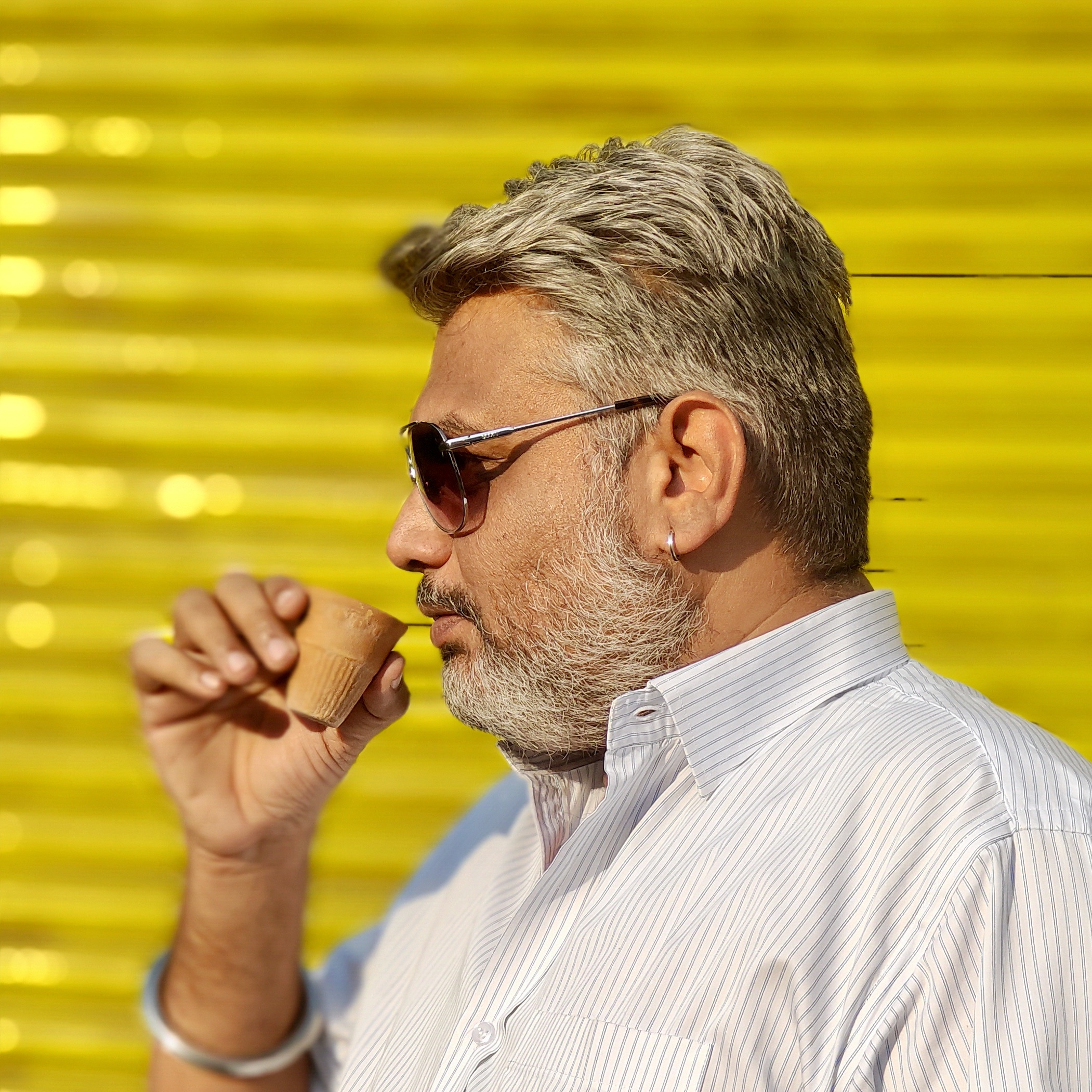

There are some novels you don’t enter—they slowly sit beside you, like an old friend who knows your silences better than your words. That was my experience while reading When We Fell Upward: Love Doesn’t Lift or Fall. It Remembers by Veerendra P. Jagadale. I didn’t rush through it. I found myself pausing—not because the narrative demanded effort, but because the emotional memory inside it asked to be respected.
At its core, this is not a story about rising. It is a story about what stays with us after the fall.
The novel moves through the intertwined lives of Trips, Naresh, Utkarsh, and Vanita—four people shaped less by success than by the quiet negotiations they make with loss, guilt, ambition, and dignity. Their journeys stretch from Chennai’s margins to global spaces like Harvard and Times Square, yet what stayed with me most was not the geography. It was the emotional distance each character travels within themselves.
Trips, especially, carries a fierce narrative presence. Her journey from scarcity to possibility never feels cinematic in a superficial way. It feels earned. There is a stubborn intelligence in her decisions—sometimes protective, sometimes risky—that reminded me how survival often looks like courage only in hindsight. While reading her arc, I kept thinking: resilience is rarely loud when it is happening; it becomes visible only later, when someone else tells the story.
Naresh’s trajectory touched me differently. His struggle with confidence unfolds slowly, almost cautiously, like someone learning again how to trust the ground beneath their feet. There was a moment while reading his sections when I realised, I had slowed my reading pace—not because the prose was dense, but because his emotional hesitation felt real enough to deserve patience. That kind of pacing control in a narrative is not accidental. It reflects authorial restraint.
Utkarsh’s transformation, meanwhile, carries one of the novel’s most human insights: sometimes helping others is not generosity—it is repair. His connection with children who remain unseen by society becomes less an act of service and more a way of reclaiming himself. That arc gives the book one of its quietest but strongest emotional anchors.
And then there is Vanita.
Every story like this needs someone who holds the emotional architecture together without announcing it. Vanita does exactly that. Her strength is not dramatic. It is structural. She reminded me of people we all know—those who absorb storms without becoming the headline.
One of the most interesting aspects of the narrative is how it situates these personal journeys within the early-2000s IT boom era. That background adds texture rather than distraction. Migration, aspiration, cultural negotiation—all appear not as themes imposed from outside but as forces shaping the characters’ emotional vocabulary. The transitions between India and the United States feel less like travel and more like identity shifting in motion.
The prose itself carries a reflective rhythm. It is not in a hurry. It allows memory to behave like memory—non-linear, selective, persistent. There were passages where I found myself rereading a paragraph simply because the emotional tone lingered longer than expected. That is always a good sign.
If there is one place where the narrative occasionally asks for a little more tightening, it is in its pacing across transitions between timelines and emotional registers. At times the story chooses contemplation over momentum. For reflective readers, this becomes a strength. For plot-driven readers, it may briefly feel like pause instead of progression. Still, the trade-off feels intentional rather than accidental.
What stayed with me most, though, was the book’s central insight: love does not rescue us from falling—it remembers us when we do.
Perhaps that is why the story felt personal in unexpected ways. While reading certain passages about rebuilding after emotional fractures, I found myself thinking about phases in life when strength did not arrive dramatically, but quietly—through routine, responsibility, and people who stayed without explanation. That recognition made the reading experience feel less like observation and more like participation.
This is a novel for readers who believe stories are not only about what happens next, but about what continues to live inside us afterward. If you enjoy literary narratives where transformation unfolds gradually and characters carry emotional memory like a second spine, this book will likely stay with you longer than you expect.
Some stories end when the last page closes. This one continues the moment you start remembering your own falls—and the people who helped you rise anyway. 📖✨
#WhenWeFellUpward #VeerendraPJagadale #IndianLiterature #LiteraryFiction #StoriesOfResilience #BooksThatStayWithYou #CharacterDrivenFiction #ReadingReflections #SecondChances #SameerGudhateReads #sameergudhate #thebookreviewman


Comments