


Sameer Gudhate Presents the Book Review of The Silence I Left Her In by Debasish Talukdar
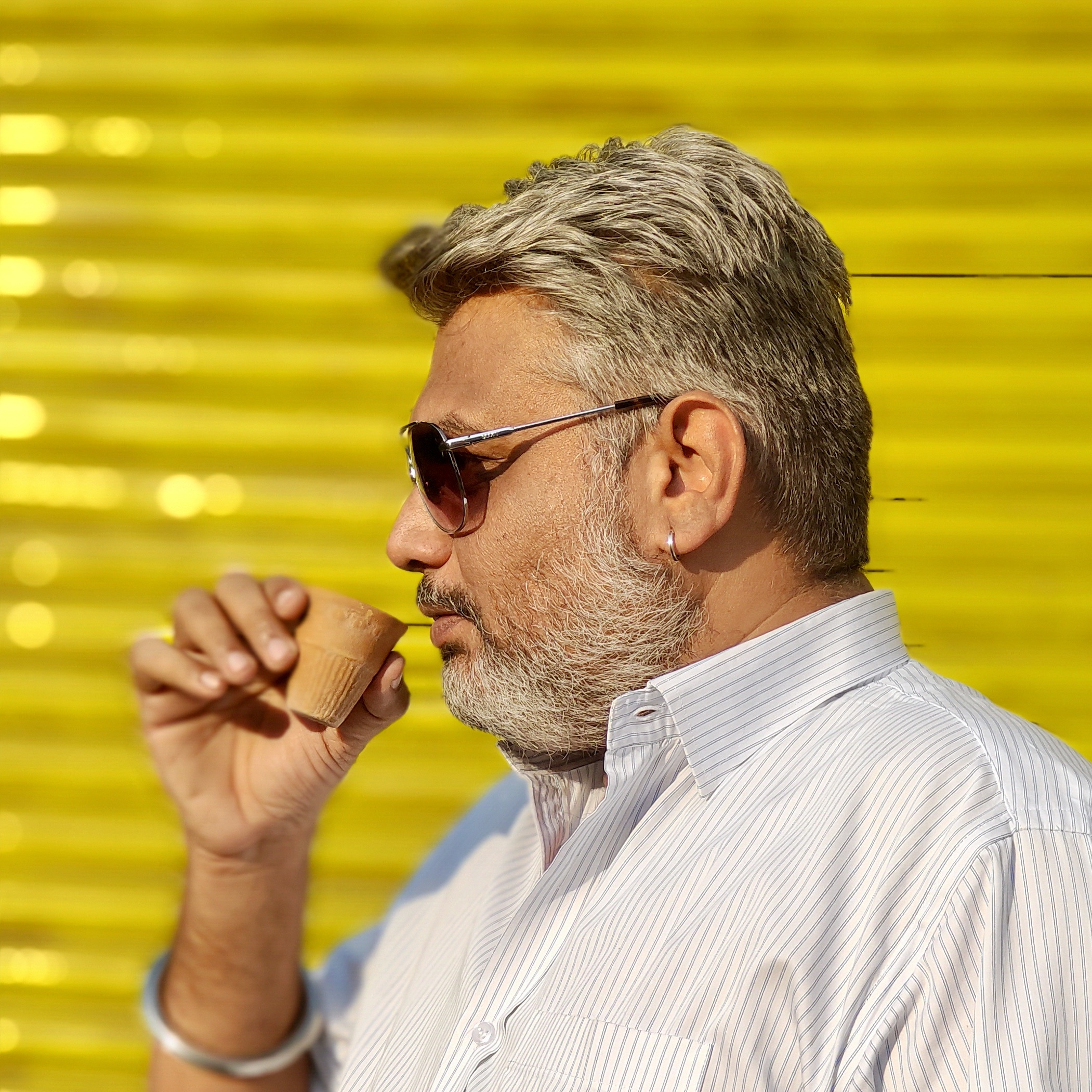

We talk a lot about heartbreak. This book is about the decisions that come before it—the calculated exits, the postponed conversations, the confidence that silence is harmless. It explores how leaving doesn’t always require walking away. Sometimes it just requires not staying.
Debasish Talukdar’s The Silence I Left Her In does not announce itself as a love story, nor does it pretend to be a redemption arc. It arrives more like a folded letter you find years later in an old drawer—creased, slightly yellowed, and still capable of hurting when you open it. From the very first lines, the narrative makes it clear: this is not about what was built, achieved, or admired from the outside. It is about what was neglected while all of that was happening.
At its core, the book is a long, unbroken act of reflection. Not the polished kind we post after healing, but the uncomfortable, halting kind that happens before forgiveness is even imaginable. The narrative voice is intimate and exposed, almost as if the author has removed all protective layers and chosen to speak from a place where defences no longer work. The prose is stripped down, deliberate, and emotionally direct. There’s no rush toward resolution, and that choice defines the reading experience. The pacing mirrors regret itself—slow, repetitive, circling the same moments again and again, hoping they might change if examined from a different angle.
What struck me most was how silence operates as more than a backdrop. It becomes a living presence. In this literary space, silence isn’t emptiness; it’s accumulation. It gathers weight with every avoided conversation, every calculated departure, every moment when ambition was easier than intimacy. One image stayed with me: the idea of a man sitting across from his former self, not to argue or justify, but simply to look. That quiet confrontation is where the book lives. There are no dramatic confrontations, no loud confessions—just a steady reckoning.
The character at the centre of this narrative is not designed to be admired. In fact, the text repeatedly resists that temptation. Instead, we are offered a portrait of emotional evasion and delayed awareness. This honesty gives the book its impact. The story does not seek sympathy for pain caused; it acknowledges it and lets it exist without explanation. That restraint is rare. It allows the theme of responsibility to surface naturally, without moral lectures or tidy conclusions.
Structurally, the book feels like a series of inward steps rather than a forward march. Each section deepens the same emotional terrain, revealing how easily love can be sidelined when success becomes a performance. The narrative doesn’t rely on plot twists; its tension comes from recognition. You begin to see familiar patterns—how people disappear quietly, how relationships don’t always end with arguments but with indifference. That recognition can be unsettling. I found myself pausing often, not because the language was dense, but because certain lines lingered longer than expected.
Emotionally, the reading experience was heavy but not hopeless. There is sadness here, yes, but also an emerging clarity. The transformation is subtle. It doesn’t promise healing so much as awareness. By the final pages, what remains isn’t comfort but understanding—a sense that naming the damage is a necessary step toward learning how not to repeat it.
The book’s greatest strength lies in its restraint: the clean prose, the consistent voice, the refusal to romanticize regret. If there is a weakness, it may be that this quiet intensity demands patience. Readers looking for narrative momentum or external action may find the stillness challenging. But for those willing to meet the book on its own terms, the experience is deeply resonant.
I would recommend this book to readers in a reflective mood—those navigating loss, accountability, or the aftermath of choices made too easily. It feels best read slowly, perhaps in silence, perhaps when you’re ready to confront the spaces you’ve left unattended in your own life.
When I closed the book, the room felt unchanged, yet something in me had shifted. Like realizing that some doors don’t slam shut—they’re left ajar, quietly shaping everything that follows.
#BookReview #LiteraryReflection #QuietStories #EmotionalReading #IndianAuthors #KindleReads #NarrativeProse #HealingThroughBooks #SilenceAndMeaning #sameergudhate #thebookreviewman


Comments