


Sameer Gudhate Reflects on Where the Highway Ends: Some Journeys Repair More Than Cars
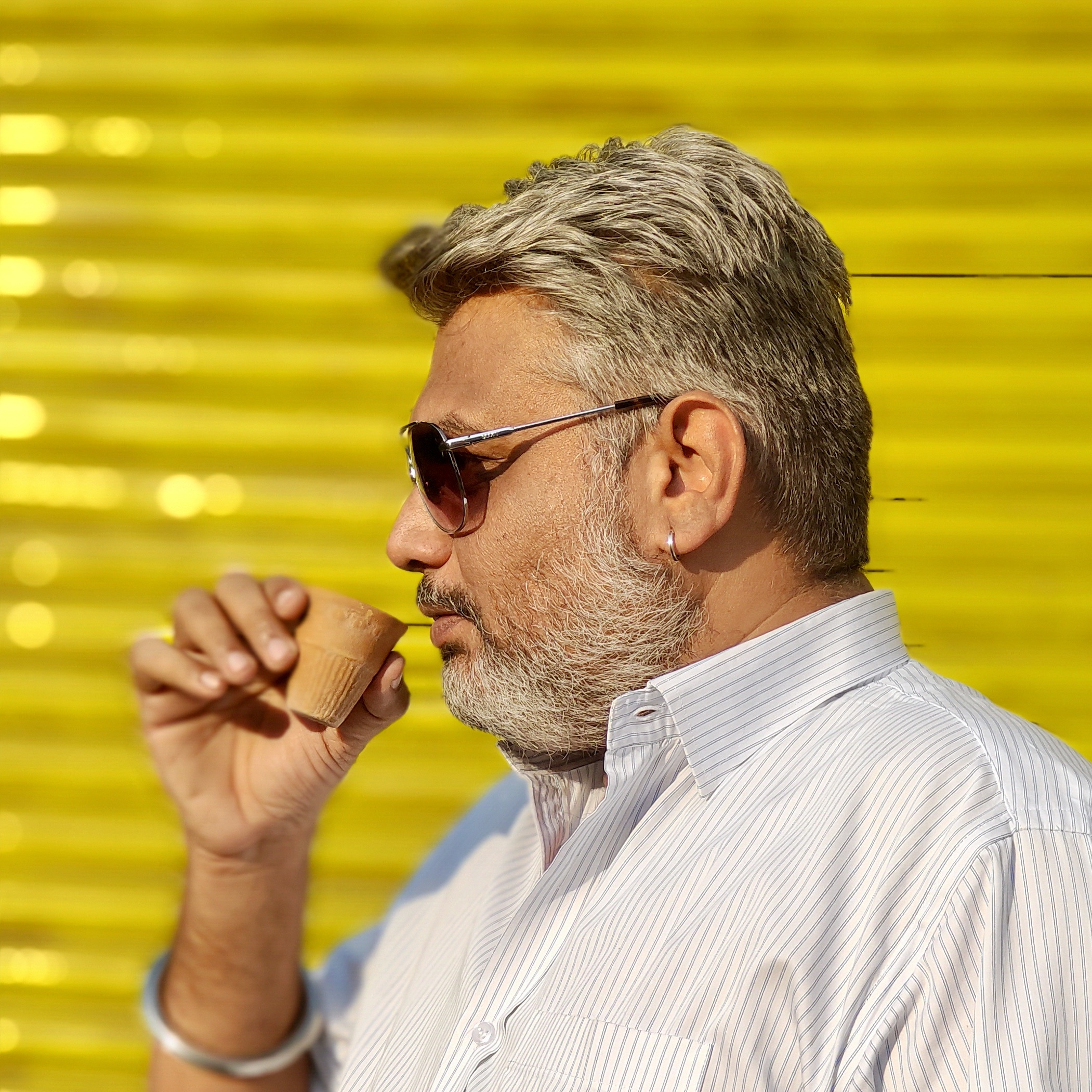

There was a moment while reading Where the Highway Ends when I found myself staring at the ceiling instead of the page. Not because the book had become difficult, but because it had quietly opened a door to a memory I had not visited in years. I remembered sitting beside my father on a humid Maharashtra afternoon, listening to him explain something with complete certainty while I pretended not to pay attention. At the time, it felt ordinary. Looking back, it was anything but.
That is the territory Neil Kansal and Ruchin Kansal explore in Where the Highway Ends. On the surface, the narrative follows a father and son rebuilding an aging Acura Integra and setting off on an ambitious 5,000-mile road trip across the United States. But reducing the book to its journey would be like describing a monsoon only as falling water. The real story lies in what gathers beneath the visible landscape.
The car itself becomes a remarkable metaphor. Rusted, unreliable, and demanding constant attention, it mirrors the relationship at the heart of the book. Some connections are not broken enough to be abandoned, yet not smooth enough to be taken for granted. They require patience. They require work. They require people willing to get their hands dirty.
What struck me most was the honesty of the emotional terrain. The authors resist the temptation to turn every challenge into a grand life lesson. Instead, they allow frustration to remain frustrating, uncertainty to remain uncertain, and growth to emerge gradually. That restraint gives the narrative its authenticity. The emotion never feels manufactured. It arrives naturally, often in the quiet spaces between events.
Ruchin Kansal emerged as the character who lingered with me long after I finished reading. Not because he is presented as a flawless parent, but because he feels recognizably human. There is a subtle tension running through his journey—the desire to guide his son while simultaneously learning when to step back. Any parent, mentor, or teacher will recognize that difficult balancing act. His perseverance gives the book much of its emotional weight, but it is his vulnerability that gives it heart.
Neil's presence provides an equally important counterpoint. He is standing at that peculiar crossroads between adolescence and adulthood where confidence and uncertainty often occupy the same seat. Watching that transformation unfold through shared experiences rather than dramatic revelations feels genuine. The relationship between father and son evolves not through speeches but through accumulated moments, much like trust itself.
The prose mirrors this approach. It is straightforward without being simplistic, reflective without becoming sentimental. The pacing moves with the rhythm of a real road trip. There are stretches of exhilaration, unexpected detours, moments of stillness, and occasional breakdowns. In lesser hands, these shifts might have felt uneven. Here, they create a literary experience that captures the unpredictability of both travel and family life.
One image stayed with me throughout the book: two people driving toward the highest paved road in America while carrying invisible baggage neither fully understands. That image became the emotional engine of the narrative. We often believe journeys change us because of where we arrive. This book suggests something different. Sometimes transformation begins the moment we agree to travel together.
There is a line I found myself thinking about after turning the final page: the longest roads are often the ones that lead us back to each other.
What gives the book its lasting impact is not the destination, the mileage, or even the adventure itself. It is the reflection it invites. We all have relationships that exist somewhere between comfort and distance. We all carry conversations left unfinished, lessons only partially learned, and people we assume will always be there for another drive, another trip, another chance.
Where the Highway Ends understands that family is rarely built during life's grand celebrations. More often, it is built in shared effort. In wrong turns. In repaired mistakes. In long stretches of road where there is nothing to do except keep moving forward together.
When I closed the book, I did not think about mountain roads or mechanical repairs. I thought about passenger seats. About the people who occupy them for a while. About those who teach us something before quietly handing over the keys.
And somewhere in the distance, I could almost see an old car climbing toward the horizon, carrying a father and son who believed they were chasing a destination, only to discover they were finding each other.
#WhereTheHighwayEnds #NeilKansal #RuchinKansal #RoadTripMemoir #FatherSonJourney #FamilyNarratives #LiteraryNonfiction #BooksThatStayWithYou #ReadingCommunity #BookReviewerLife #sameergudhate #thebookreviewman


Comments