


From Mitti to Meaning: Sameer Gudhate Reflects on Rudraneil Sengupta’s Enter the Dangal
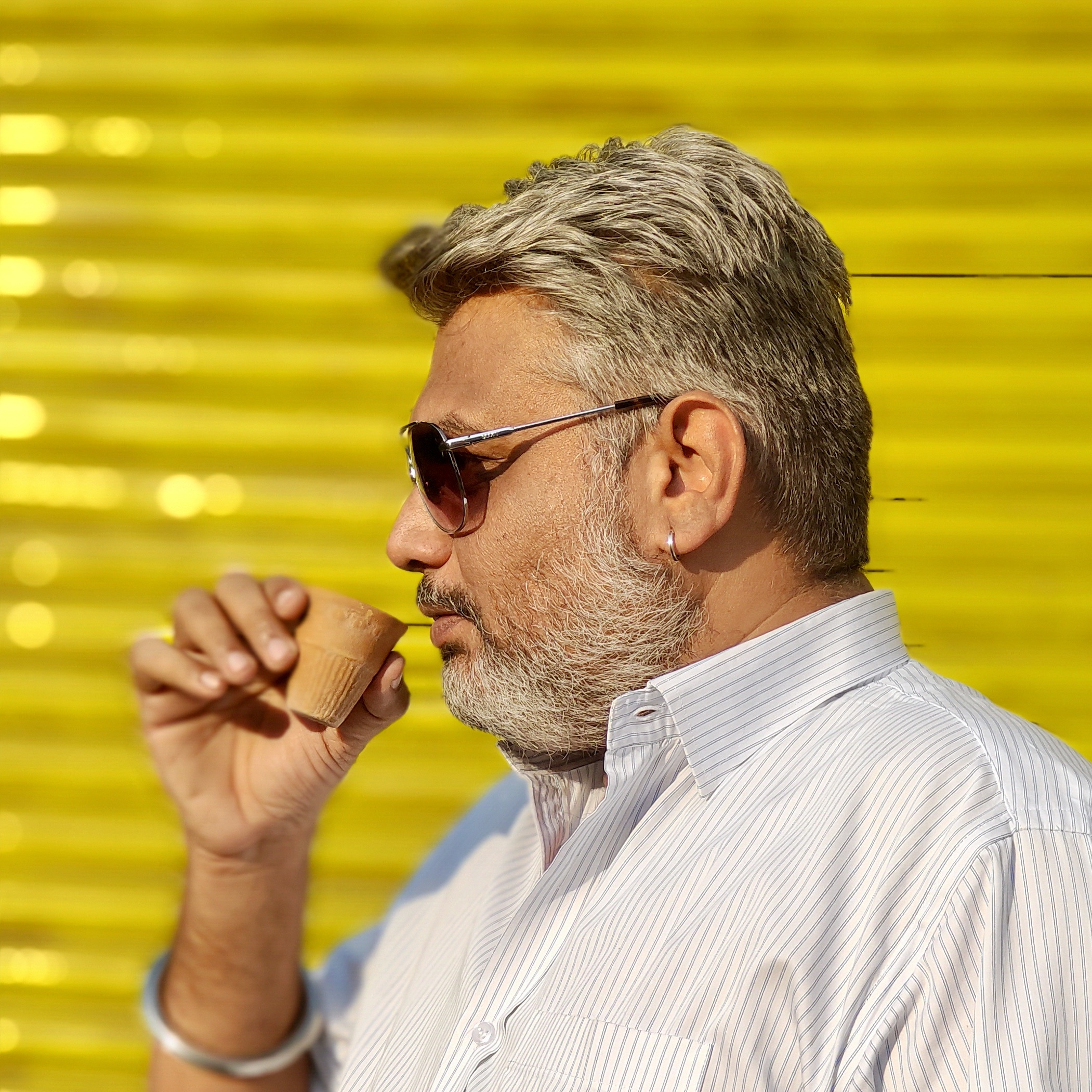

There’s a particular kind of strength that doesn’t shout. It sits quietly in the soil, in routine, in repetition—like a body learning to fall and rise on the same patch of earth every single day. That’s the feeling that stayed with me while reading Enter the Dangal: Travels through India's Wrestling Landscape by Rudraneil Sengupta. Not excitement. Not adrenaline. Something deeper. Something older.
This isn’t just a book about wrestling. It’s about a way of life that refuses to disappear—even when everything around it is trying to move on.
Sengupta doesn’t approach kushti like an outsider chasing spectacle. He walks into akharas with patience, almost with hesitation, as if he understands that this world does not open itself easily. And because of that restraint, the narrative earns your trust. You’re not being shown wrestling—you’re being allowed to sit beside it.
The premise is simple on the surface: a journey through India’s wrestling landscape, from the मिट्टी of rural akharas to Olympic mats. But what unfolds is far more layered. Through figures like Sushil Kumar and echoes of legends like Gama, the book stretches across time—past, present, and something uncertain in between. It captures not just the sport, but the ecosystem around it: the travel, the hunger, the discipline, the quiet pride.
What struck me most was how physical this reading experience felt. There were moments where I could almost smell the mitti, feel the grain of it against skin, hear the dull thud of bodies hitting the ground. The prose doesn’t try to impress—it immerses. And that’s a rare balance.
There’s a line early in the book about a wrestler being constantly on the road, making homes in buses and railway stations. I paused there. Not because it was dramatic—but because it felt true in a way that didn’t need decoration. That’s where this book finds its power. In observation, not exaggeration.
The section on Sushil Kumar stands out for its narrative control. The shifting between Olympic tension and domestic spaces could have easily become disjointed—but instead, it creates a rhythm. A reminder that behind every medal is a life that doesn’t fit neatly into highlight reels. You see not just the athlete, but the ecosystem that builds him—and sometimes fails him.
And then there’s the uncomfortable honesty.
The book doesn’t romanticize everything. It doesn’t shy away from the broken systems—the indifferent federations, the politics, the quiet humiliation athletes often endure. There’s a chilling admission from a federation official about how easily a career can be destroyed. That moment doesn’t just inform—it unsettles. It makes you question how many stories never made it to the mat.
At the same time, Sengupta gently opens another important door—the entry of women into this deeply masculine space. These aren’t grand, dramatic breakthroughs. They are quieter, more difficult shifts. Resistance. Persistence. Change happening inch by inch.
If there’s one thing this book does exceptionally well, it is this: it refuses to treat wrestling as a sport alone. It presents it as philosophy.
There’s a passage toward the end that tries to define wrestling—and fails beautifully. It calls it spiritual without being religious, material without being greedy, disciplined without being restrictive. That paradox stayed with me. Because maybe that’s the point. Kushti is not meant to be understood in neat definitions.
If I had one resistance, it would be in the later sections. There’s a density of names and historical accounts that can feel overwhelming at times. I found myself losing emotional connection in those stretches—not because the information lacked value, but because the narrative loosened its grip slightly. It becomes more archival than immersive.
But even then, the core experience remains intact.
This is not a book you rush through. It’s one you sit with—like watching an early morning practice where nothing seems urgent, yet everything matters.
Who should read this? Not just sports enthusiasts. Anyone curious about how traditions survive. Anyone interested in the intersection of body, discipline, and identity. Anyone who has ever wondered what it takes to commit to something that gives you no guarantees.
Because somewhere between the मिट्टी and the mat, this book quietly asks a question: what does it mean to build a life around something that may never reward you—but still feels worth everything?
And maybe that’s why, long after I finished it, the feeling remained—not of a story read, but of a world briefly inhabited.
#EnterTheDangal #IndianWrestling #Kushti #BookReview #SportsLiterature #ReadingCommunity #SameerGudhateReads #IndianCulture #NonFictionReads #LiteraryReflection #sameergudhate #thebookreviewman


Comments