


Sameer Gudhate Presents the Book Review of Yaar Papa by Divya Prakash Dubey
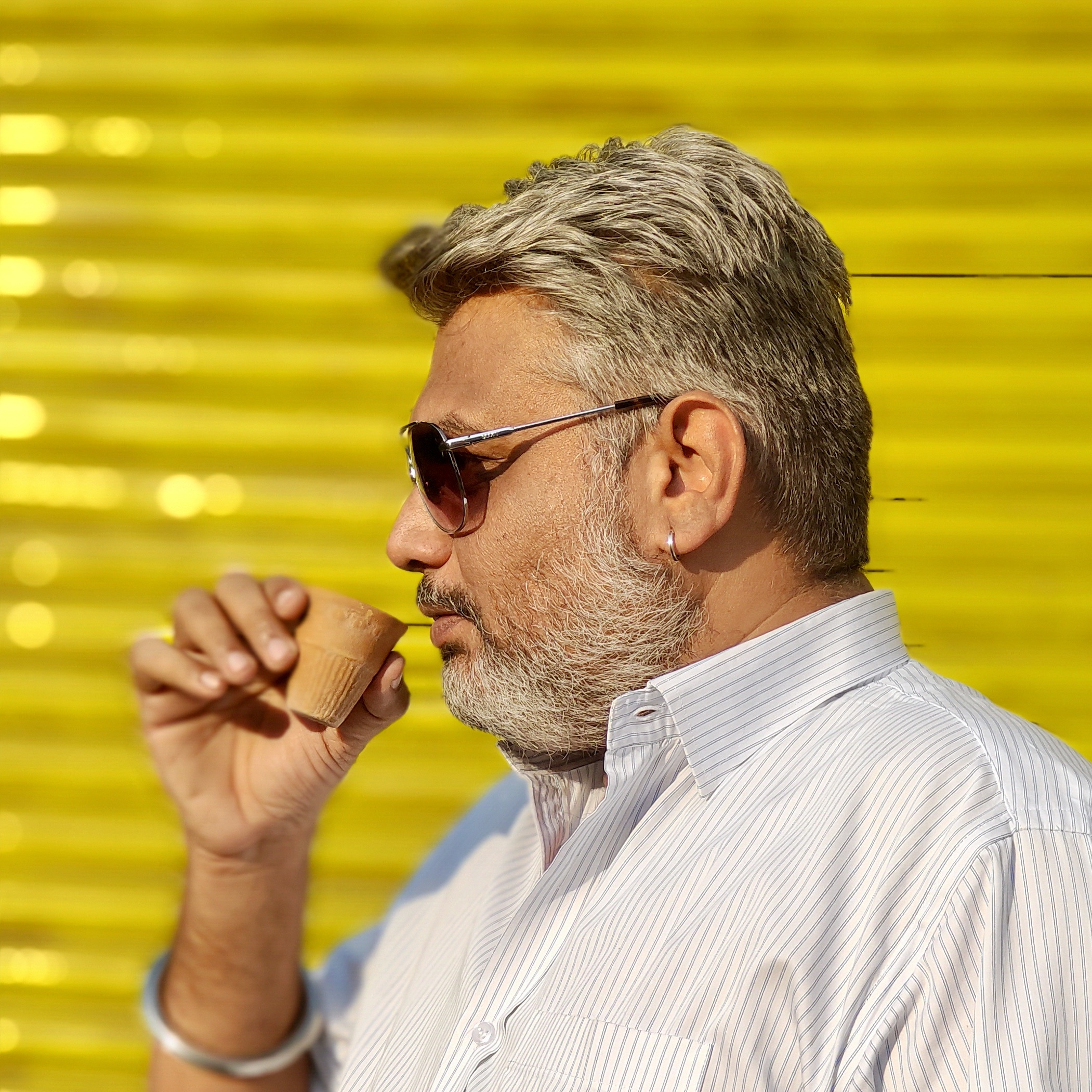

There’s a particular kind of silence that exists between fathers and children.
Not anger.Not distance either.
Just years of unfinished conversations sitting quietly at the dining table.
That silence kept returning to me while reading Yaar Papa by Divya Prakash Dubey. Not because the novel tries too hard to make you emotional, but because it understands something uncomfortable about Indian families — many fathers spend their entire lives proving themselves to the world while quietly failing at expressing themselves at home.
And perhaps the book hit me harder because I am a father to a daughter myself.
While reading Manoj Salve and Sasha, I was not reading as a detached reviewer sitting outside the story. I was reading with that invisible fear most fathers carry quietly inside them — what if one day my child understands my efforts but never truly understands me?
That thought lingers through the entire novel like background music you cannot switch off.
Manoj Salve is introduced almost like a myth. The kind of lawyer whose name carries weight before he even enters a courtroom. Media loves him. Power circles orbit around him. Judges listen when he speaks. Dubey smartly builds this aura first, almost making you believe the man is untouchable. Then comes the collapse. The revelation that his law degree is fake doesn’t merely damage his reputation — it punctures the entire mythology built around him.
But the real wound of the novel is not legal.
It is personal.
A man who could win impossible cases cannot win back the trust of his own daughter.
That contradiction gives the narrative its emotional electricity.
What stayed with me most was how naturally Dubey captures the emotional awkwardness between fathers and daughters. In many Indian homes, fathers become providers so completely that they slowly forget how to become emotionally visible. They pay fees, solve crises, arrange futures — but rarely explain their fears, failures, or regrets. Children then grow up seeing competence, not vulnerability.
And one day the distance becomes permanent without anyone officially announcing it.
As a father to a daughter, some passages felt less like fiction and more like quiet warnings. Not dramatic warnings. Subtle ones. The kind that make you want to check whether you are truly present in your child’s emotional world or merely functioning efficiently around it.
Sasha’s anger toward Manoj never feels theatrical. That is where the book succeeds. Dubey avoids melodrama in crucial moments. Even the emotional confrontations feel restrained, almost unfinished — exactly like real family arguments where the most important sentences remain trapped in the throat.
The prose is simple, but deceptively effective. This is not literary Hindi trying to impress you with ornamentation. It flows like conversation heard during a late-night train journey. Accessible, cinematic, emotionally direct. You can easily see why Dubey connects so strongly with younger readers and first-generation Hindi readers who want emotional honesty without linguistic heaviness.
At one point while reading, I actually paused and thought about my own daughter.
Not a dramatic memory.Not some grand life lesson.
Just the realization that children do not always remember our sacrifices the way we remember making them. They remember presence. Tone. Availability. Warmth. Absence. A few careless sentences. A few missed conversations.
That realization alone makes Yaar Papa worth reading.
The courtroom drama adds pace, but honestly, the emotional narrative is where the novel breathes deepest. The legal scandal works less as suspense and more as a mirror. Once Manoj’s public image collapses, he is finally forced to confront the version of himself his daughter has been seeing for years.
That is the real trial here.
And Dubey wisely keeps redemption messy instead of miraculous.
One of the strongest aspects of the book is its readability. The pacing rarely drags. Scenes arrive visually. Conversations feel lived-in. Some supporting characters — especially the warmer, emotionally grounding figures around Manoj — give the narrative texture without overcrowding it.
The book reminded me of something important:
“Many fathers spend their lives building security for their children while silently forgetting to build emotional memory with them.”
That line stayed with me long after the final page.
Yaar Papa is not merely about a father trying to repair his image. It is about a man trying to become emotionally readable again. And in a culture where fathers are often taught responsibility before tenderness, that journey feels deeply recognizable.
If you are a parent — especially a father to a daughter — this book may quietly unsettle you in the best possible way. It may even make you put the book down midway and initiate one conversation you have been postponing for years.
And honestly, very few novels manage to do that.
#YaarPapa #DivyaPrakashDubey #HindiLiterature #BookReview #FatherDaughterBond #ParentingReflections #ReadingCommunity #ContemporaryHindi #IndianAuthors #BookLovers #sameergudhate #thebookreviewman


Comments