


Sameer Gudhate Presents the Book Review of 50 Things to Realize Before It’s Too Late by Manoj Chenthamarakshan
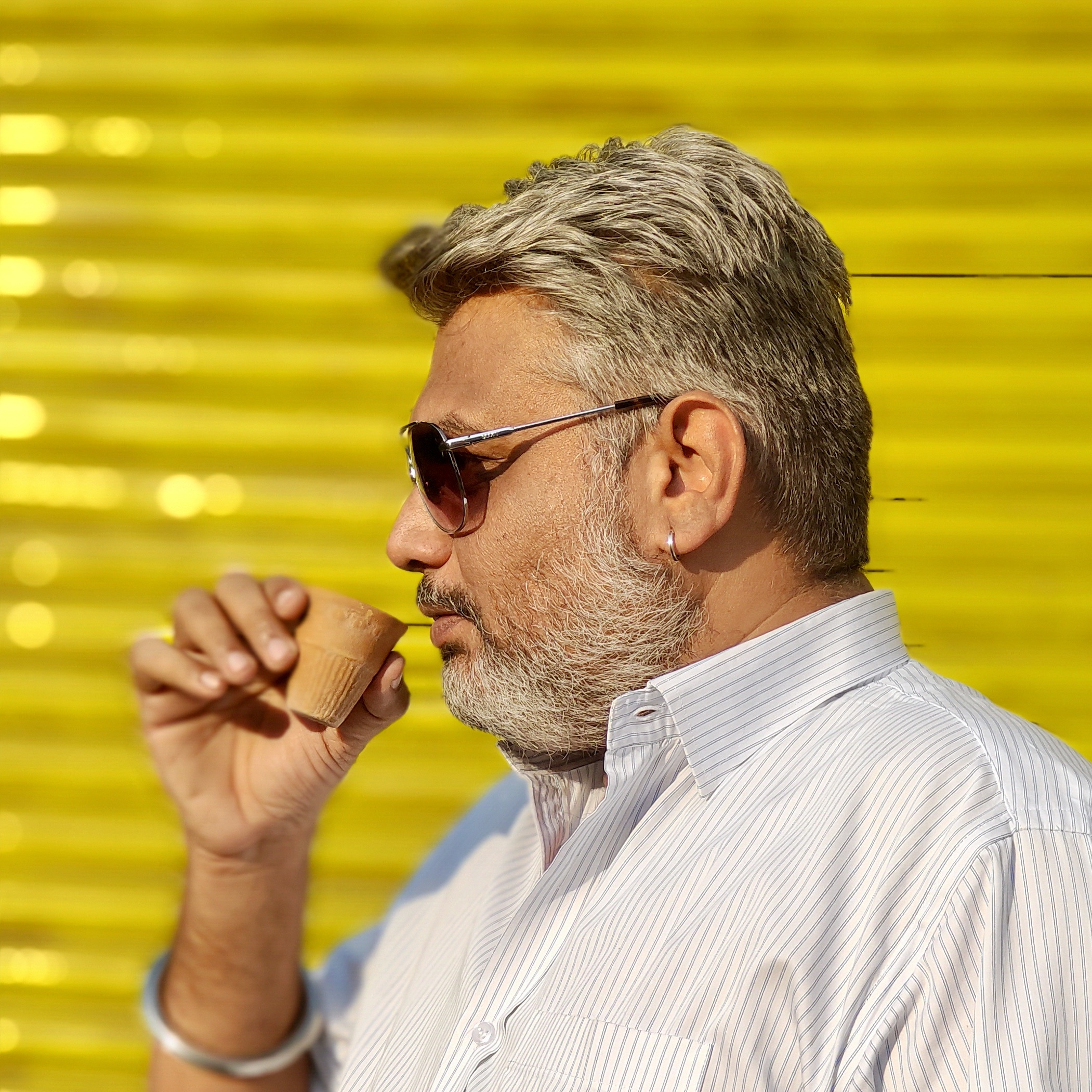

Somewhere between stretching my back before the day began and pausing longer than usual in front of the mirror, I realized I am standing at a strange, quiet threshold. Fifty is no longer an abstract number. It’s a door I can see now. So when I picked up 50 Things to Realize Before It’s Too Late by Manoj Chenthamarakshan, it didn’t feel like a casual read—it felt like an appointment with myself.
This is not a book you read with a highlighter hunting for genius lines. It’s more like a book you keep beside you, dipping into it between life’s interruptions. Manoj’s premise is simple, almost disarmingly so: life is constantly teaching us, but only if we’re paying attention. The lessons come from strangers, from sudden thoughts, from moments that feel insignificant until they quietly aren’t. That idea alone carries a certain humility. It reminds you that wisdom doesn’t always arrive dressed as revelation. Sometimes it shows up as a nudge.
The narrative unfolds as a collection of short reflections—bite-sized, accessible, and intentionally uncomplicated. There’s a conversational prose style here, almost as if the author is speaking across a park bench rather than a podium. The pacing is quick. You can finish a chapter before a train reaches its next station. For some readers, that brevity will feel liberating; for others, it may feel like the ideas leave too quickly, just as they begin to settle.
As I read, I noticed a recurring rhythm: the reminder of mortality. Death appears often, almost insistently, like a ticking clock placed in the corner of every page. At times, it works. It sharpens awareness, underlines urgency, and adds emotional weight. At other times, it feels repetitive, like a bell rung once too often. I found myself wishing for silence between those tolls, space where reflection could breathe without being hurried along by inevitability.
What the book does well—quietly, consistently—is encourage introspection. There were moments when I paused, not because the prose demanded it, but because my own thoughts did. One reflection would send me back to an old decision, another to a conversation I avoided, another to a dream I postponed without meaning to. The ideas may not be new in a literary sense, but they act like mirrors. And mirrors don’t need originality; they need honesty.
That said, the book sometimes leans too comfortably into familiar self-help territory. Certain themes—surrounding yourself with supportive people, finding opportunity in adversity—are presented with conviction but without enough counterweight. Life, after all, isn’t built only on encouragement. It’s built on friction, disagreement, and uncomfortable truths. I felt resistance when complex realities were smoothed into optimistic takeaways, especially when large events like the pandemic were reframed too easily as personal growth exercises. Some experiences demand grief before growth, and that distinction matters.
There are also technical distractions. Grammatical slips and punctuation errors occasionally break the reading flow, pulling attention away from the narrative and into the mechanics. It’s a small thing, but in a book centered on clarity and awareness, those moments feel louder than they should.
Yet, despite these hesitations, I can’t dismiss the book’s impact. There’s sincerity here. A genuine attempt to share lived observations gathered across places and years. This isn’t a performance of wisdom; it’s an offering. And for readers at certain life stages—students, young professionals, or anyone feeling untethered—it can function as a gentle recalibration.
For me, reading this at the edge of fifty felt like walking through a familiar house with the lights slightly rearranged. Nothing new was added, but certain corners looked different. I closed the book one evening as the sky dimmed outside my window, reached for a notebook, and wrote without planning to. That, perhaps, is the book’s quiet strength. It doesn’t transform you. It prompts you to check where you already are.
If you’re looking for groundbreaking philosophy or rigorously argued insight, this may frustrate you. If you’re looking for a companionable pause—a moment to sit with your own trajectory—it may arrive at exactly the right time. Sometimes a book doesn’t change your life. Sometimes it simply reminds you that your life is already changing, whether you notice it or not.
#BookReview #NonFictionReads #SelfReflection #LifeLessons #BooksThatMakeYouThink #ReadingJourney #MidlifeReads #IndianAuthors #IntrospectiveReads #sameergudhate #thebookreviewman


Comments